
The new development will create 38 affordable apartments designed for families, with dedicated support services, trauma-informed design, and the highest level of sustainable living
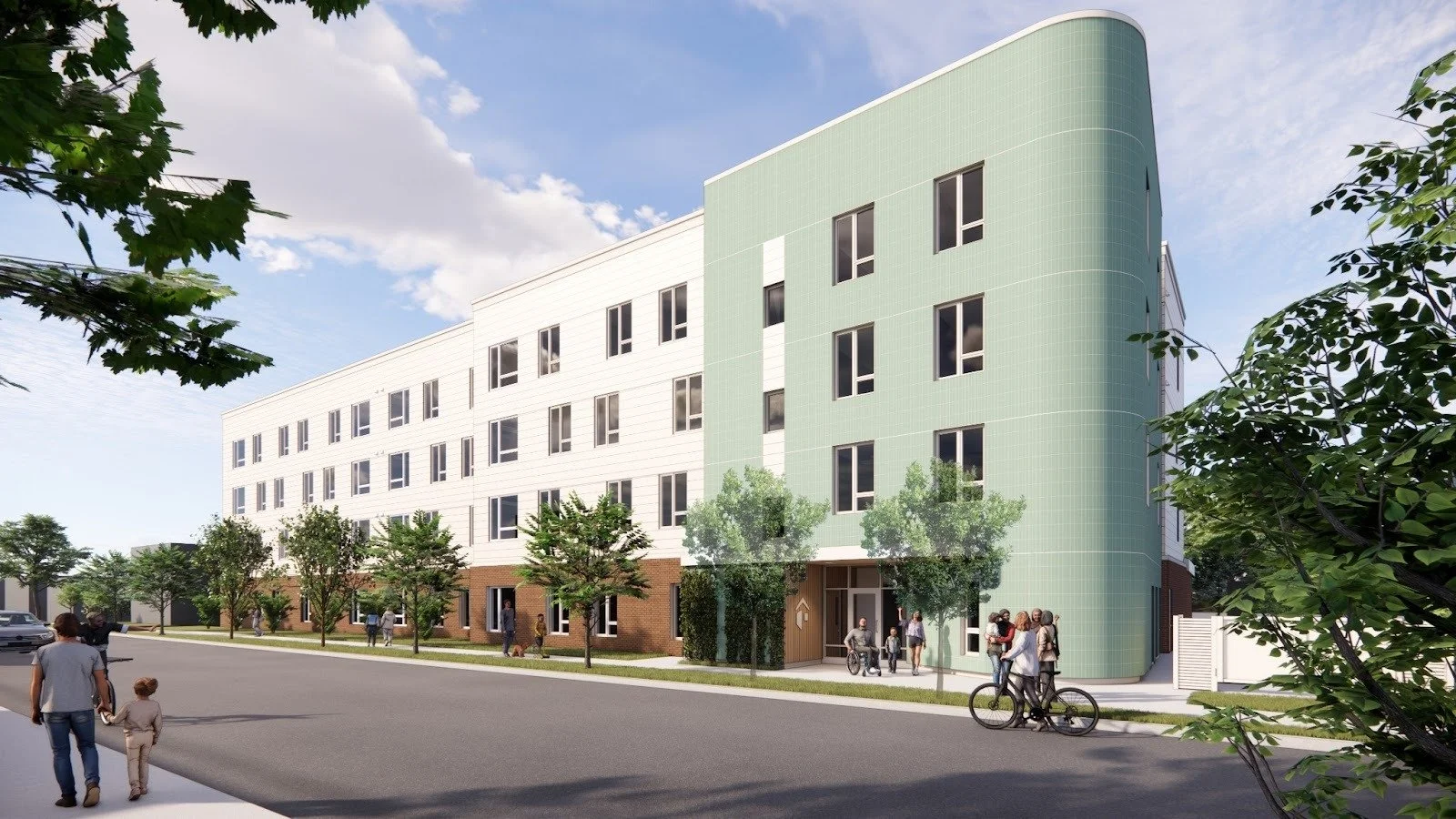
After more than three decades of helping families move out of homelessness and into stable housing, Path Home today announced plans to build its first affordable and permanent supportive housing (PSH) community at the nonprofit’s Family Village campus in Southeast Portland. Construction will begin in early December pending financial close, with building completion expected by early 2028.
The new development will create 38 two- and three-bedroom apartments, addressing a critical shortage of affordable housing that meets the needs of families with children experiencing homelessness. It will also expand Path Home’s on-campus capacity from 17 families in emergency shelter today to 55 families across both shelter and permanent housing, with access to dedicated case management and wraparound services.
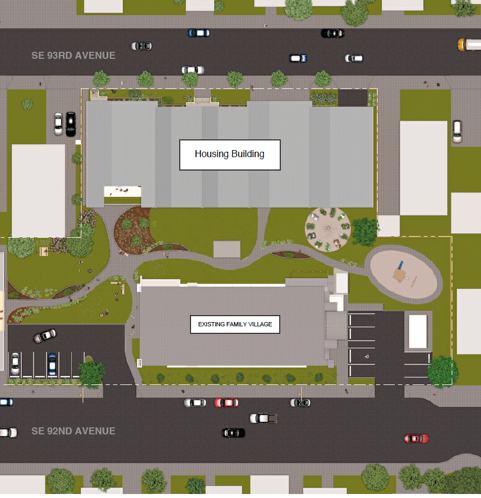
“For the first time, we’ll be able to offer permanent homes right here on our Family Village campus,” says Path Home Executive Director Brandi Tuck. “These apartments are designed specifically for families, with the stability and ongoing support they need to build a stable future. It’s an important next step in our work to help families find a path to housing.”
Housing Designed for Families
Building on Path Home’s proven housing-first approach, the new development pairs permanent housing with the services families need to stay housed long-term. Families in the permanent supportive housing units will have dedicated case managers and access to services including mental health support, childcare and job training.
"Permanent supportive housing is vitally important to meet the needs we see in communities across the state, including places like Southeast Portland," said Andrea Bell, Oregon Housing and Community Services (OHCS) executive director. "Thanks to the investments and partnerships that make Family Village possible, this development will give 38 families what every family in Oregon deserves: a safe, stable home where they can live, grow, and thrive."
Bringing shelter and permanent housing together on one campus will also create opportunities for families to build community and learn from one another. More than 100 Path Home families provided input on the design, alongside staff advisors, 60% of whom have experienced homelessness themselves. Their perspectives helped inform a trauma-informed approach that incorporates natural light, connections to nature, intuitive wayfinding, and features that give residents greater control over their living environments.
The Highest Level of Sustainable Living: Emerald Certification
Path Home’s new Family Village development is designed to meet ambitious climate and sustainability goals. According to Tuck, there is a misconception that affordable housing can’t be climate-friendly. Path Home wants to change this perception and is being intentional with plans to pursue Emerald Certification, the highest level of green building certification under the National Green Building Standard.
The project is supported by funding from the Portland Clean Energy Community Benefits Fund (PCEF) through the Portland Housing Bureau and Oregon Housing and Community Service (OHCS). Additional partners include PNC Bank, PAE Engineers and Metro.
“PCEF is proud to invest in a project that demonstrates how affordable housing and climate action can work hand in hand,” says Wendy Koelfgen, multi-unit housing programs manager for the Portland Clean Energy Community Benefits Fund. “Our investment will support high-efficiency heating and cooling, heat pump water heating, energy recovery, above-code insulation, and ENERGY STAR appliances—helping create homes that are healthier, more comfortable, and more energy-efficient for families.”
